Abaay Mohamed Issack
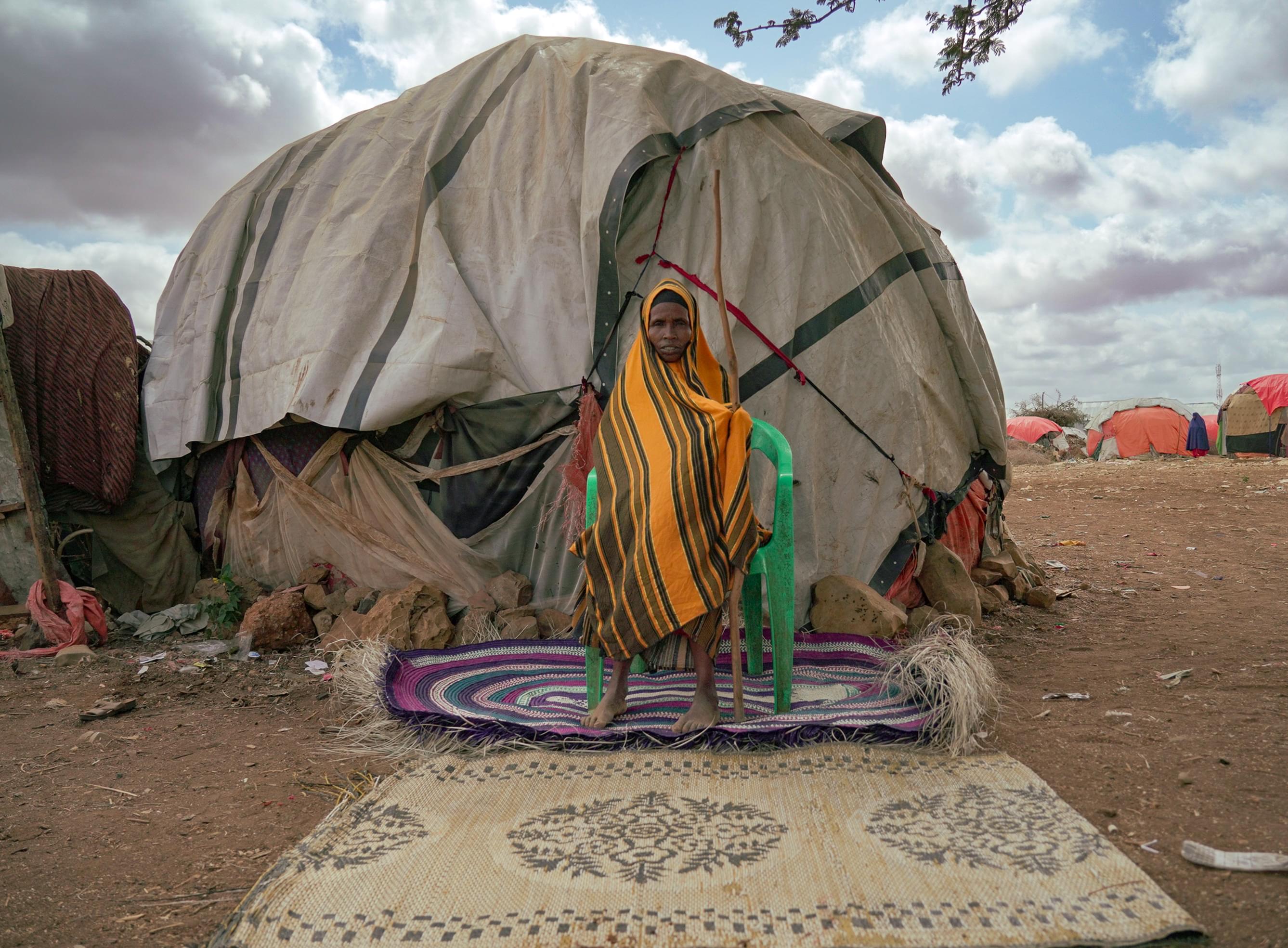
From the fertile lands of Daweelow to a shelter in Baidoa, Abaay Mohamed Issack, 60, mother and grandmother, is on a quest to re-imagine what recovery looks like in her age.
By Sagal Abas Bafo
Photography by WFP/Sara Cuevas Gallardo
From the fertile lands of Daweelow to a shelter in Baidoa, Abaay Mohamed Issack, 60, mother and grandmother, is on a quest to re-imagine what recovery looks like in her age.
"We lived in prosperity and happiness."
Before the displacement, Abaay's life was rooted in her land, her camels, her cattle, her goats. Everything she had came from what she could nurture and sustain with her own hands.
Then the drought came, stripping that life away and forcing her to leave in search of help. In Baidoa, she joined countless other displaced families, all rebuilding from loss. There, nothing was certain. Water was scarce. Food was unreliable. Shelter was only temporary.
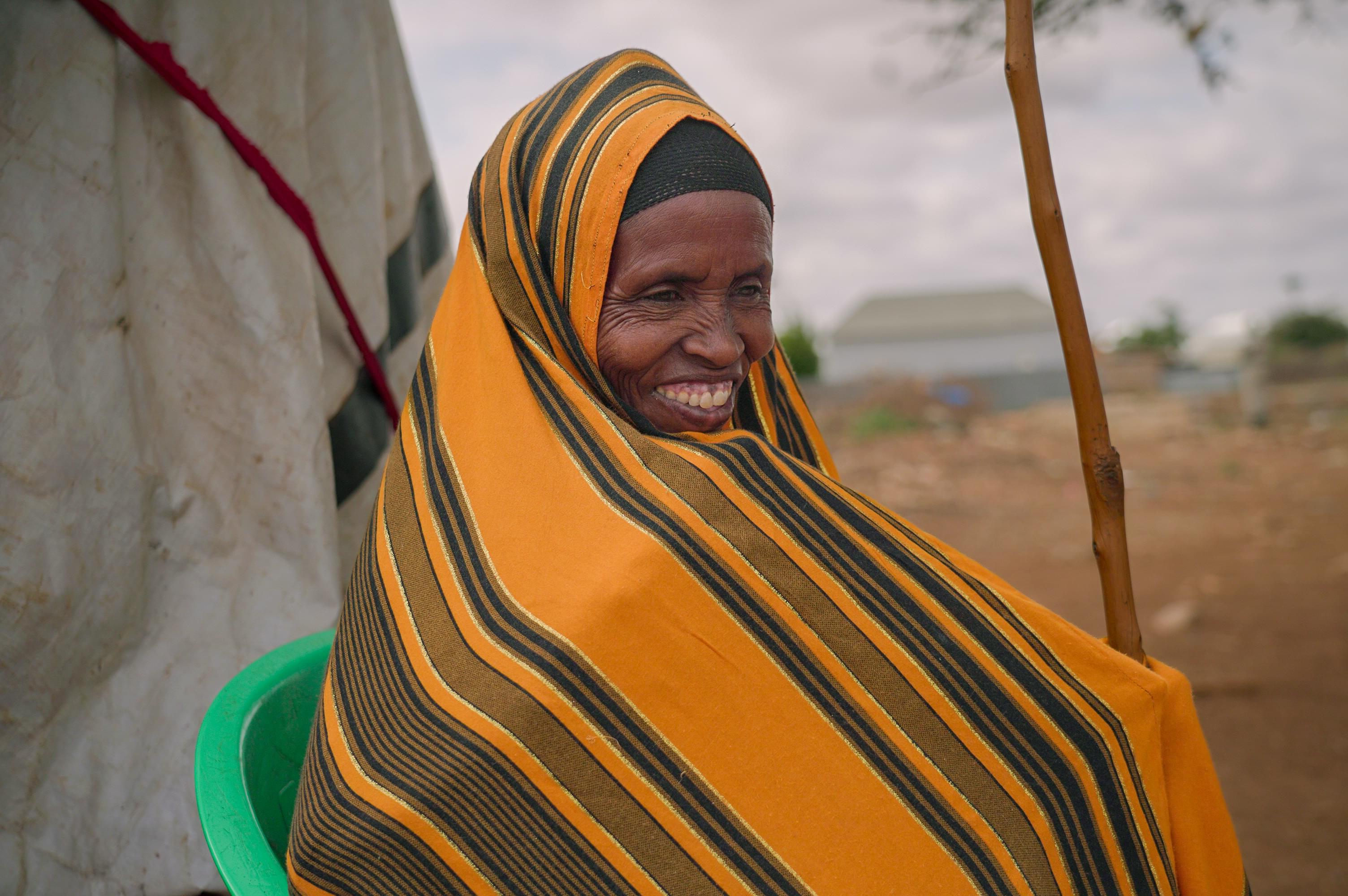
Supported with emergency cash assistance provided by the World Food Programme, Abaay was able to bring some food to the table, but reductions in assistance mean she can no longer provide as much as she used to.
"Some days we find something to eat. Some days we do not eat at all. When food stops, the body becomes weak, but worrying about your children is the worst part."
Photography by WFP/Sara Cuevas Gallardo
When there is nothing left, neighbors and the Somali diaspora help where they can. Abaay is the sole provider for her family, but it has become more daunting at the displacement site since she also lives with a disability.
"My disability makes life in the camp very difficult. People like me suffer the most. We are alive, but our needs are not seen."
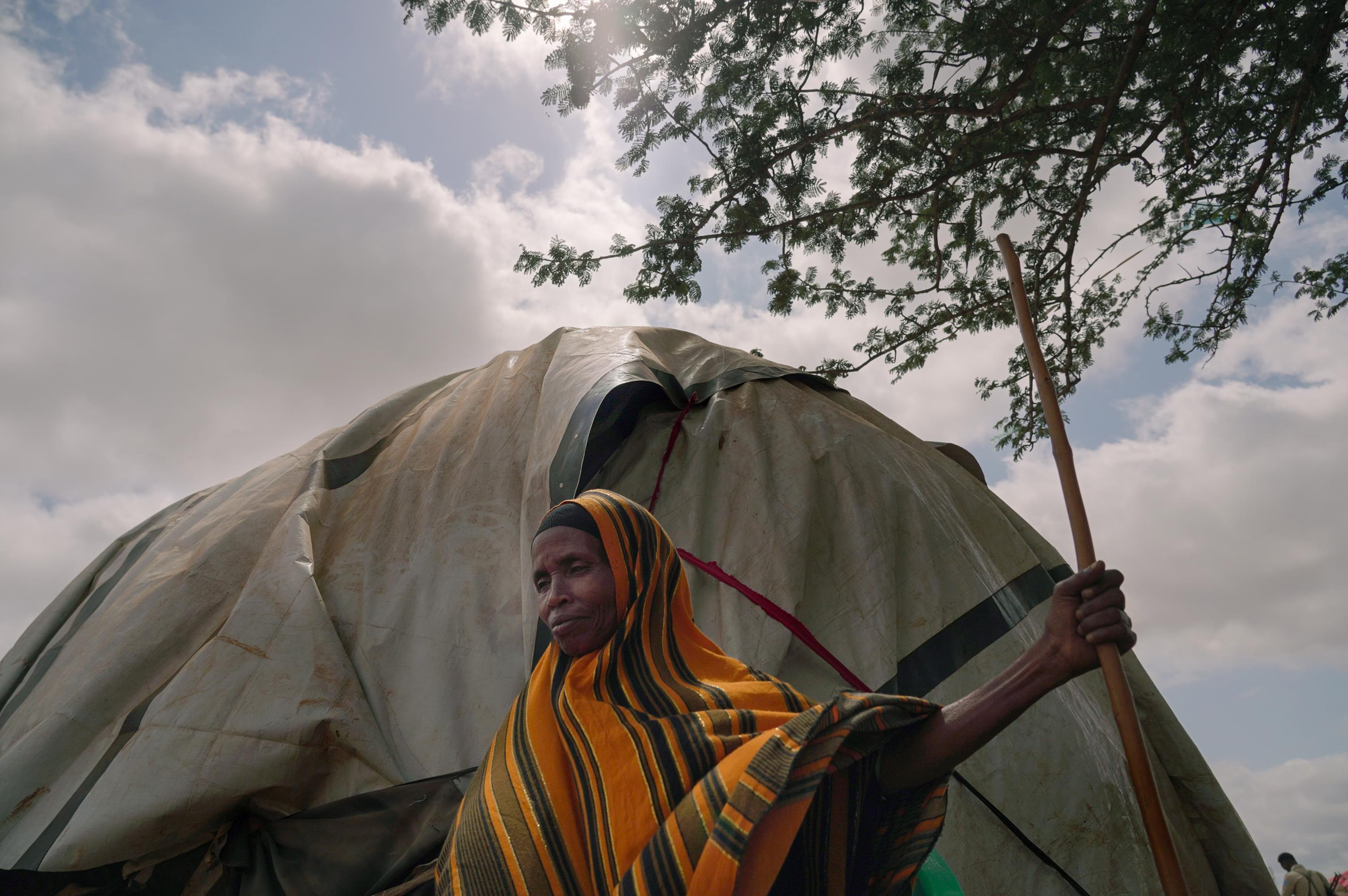
Leaning on her walking stick, Abaay holds onto what hope means for her now — not just help with each step, but the strength to keep going, care for her family, and believe she can return home with dignity.
Still, she speaks about the future.
"I think about going back. About the land becoming green again. About my grandchildren going to school, not worrying about hunger. We need long-term support. Help to return and rebuild or help us live with dignity where we are now."
Photography by WFP/Sara Cuevas Gallardo
Community facilitation and story development led by Sagal Abas Bafo
Discover the other stories
Ahmed Mohamed
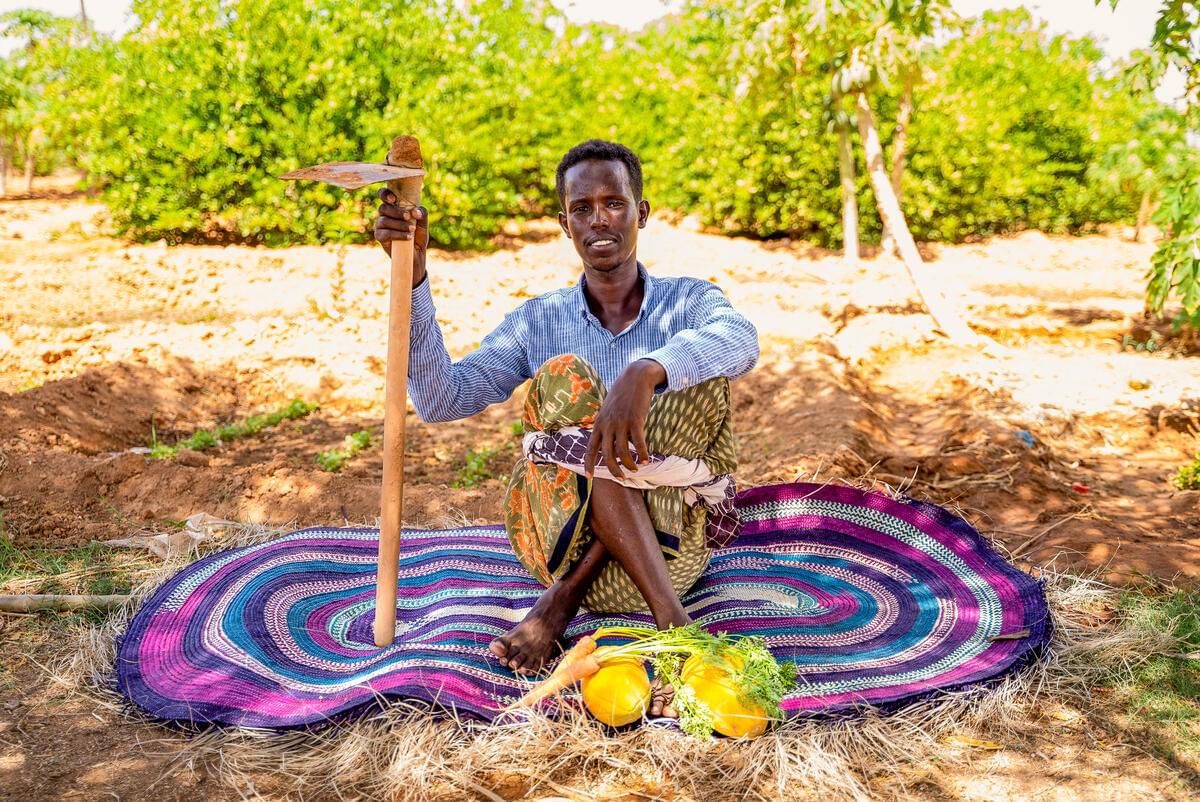
Ahmed Mohamed, 23, is a farmer and community leader who has started to see the results of rebuilding his life after drought.
Read the story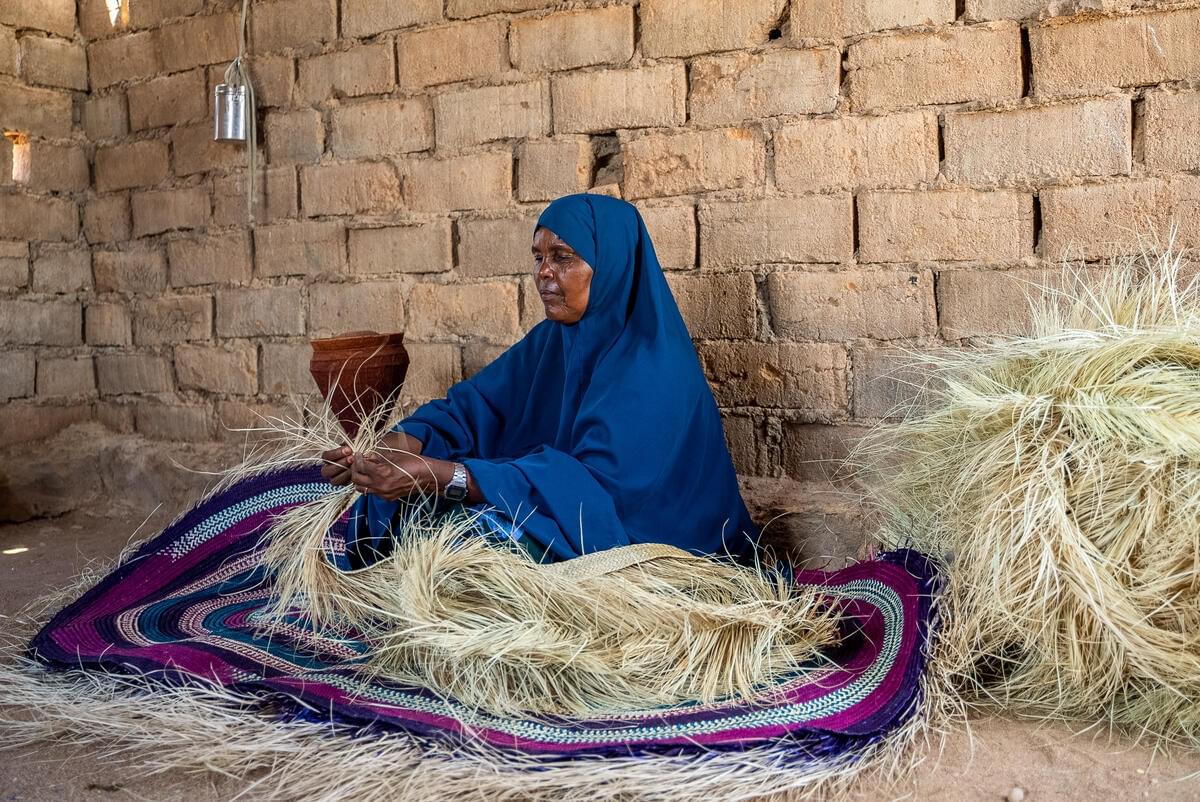
Boosteyo Mahamud Shire
Boosteyo, a farmer, mother, and community leader, weaves a Somali mat to reflect the same care and connection she brings to holding her family and community together.
Read the story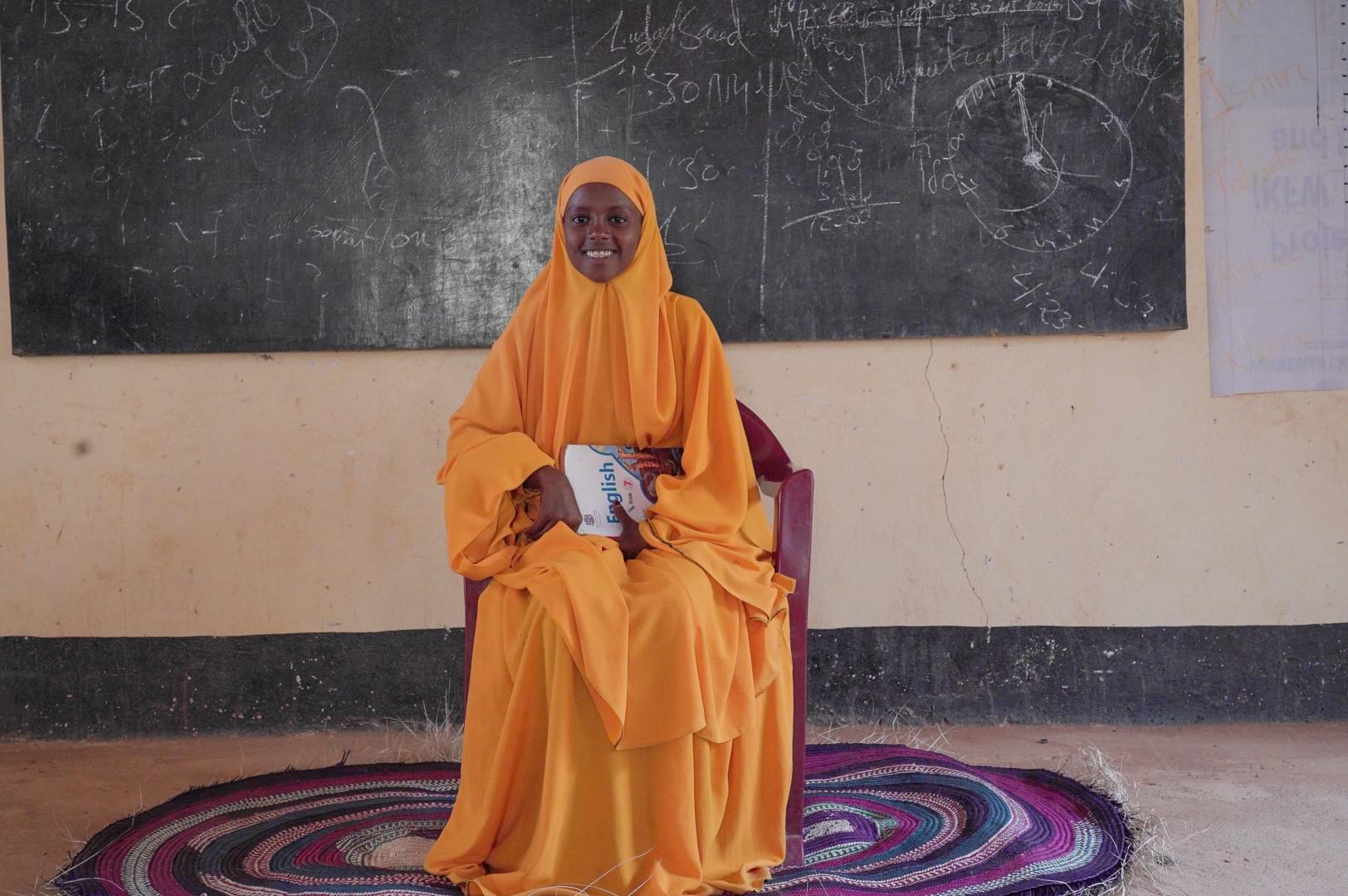
Sahro Deeq Shire
From a small classroom in Dolow to dreams of becoming a scientist, Sahro Deeq Shire, 17, is discovering how education, supported by food security, can shape not only her future but Somalia's future.
Read the story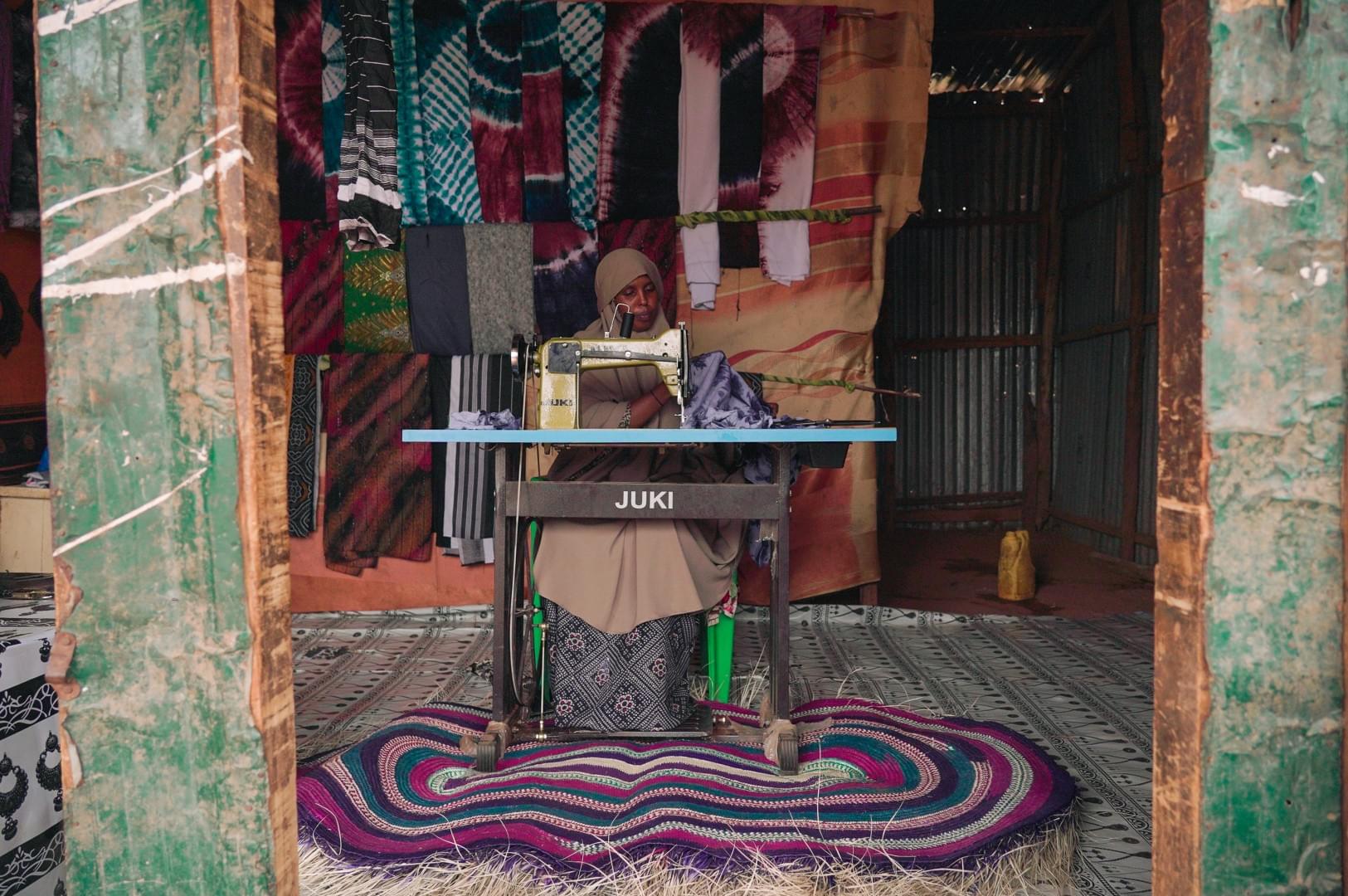
Diryara Osman
Diryara Osman, 34, a single mother displaced by conflict, is rebuilding her life, now running a small sewing business and working toward a more secure future for her children.
Read the story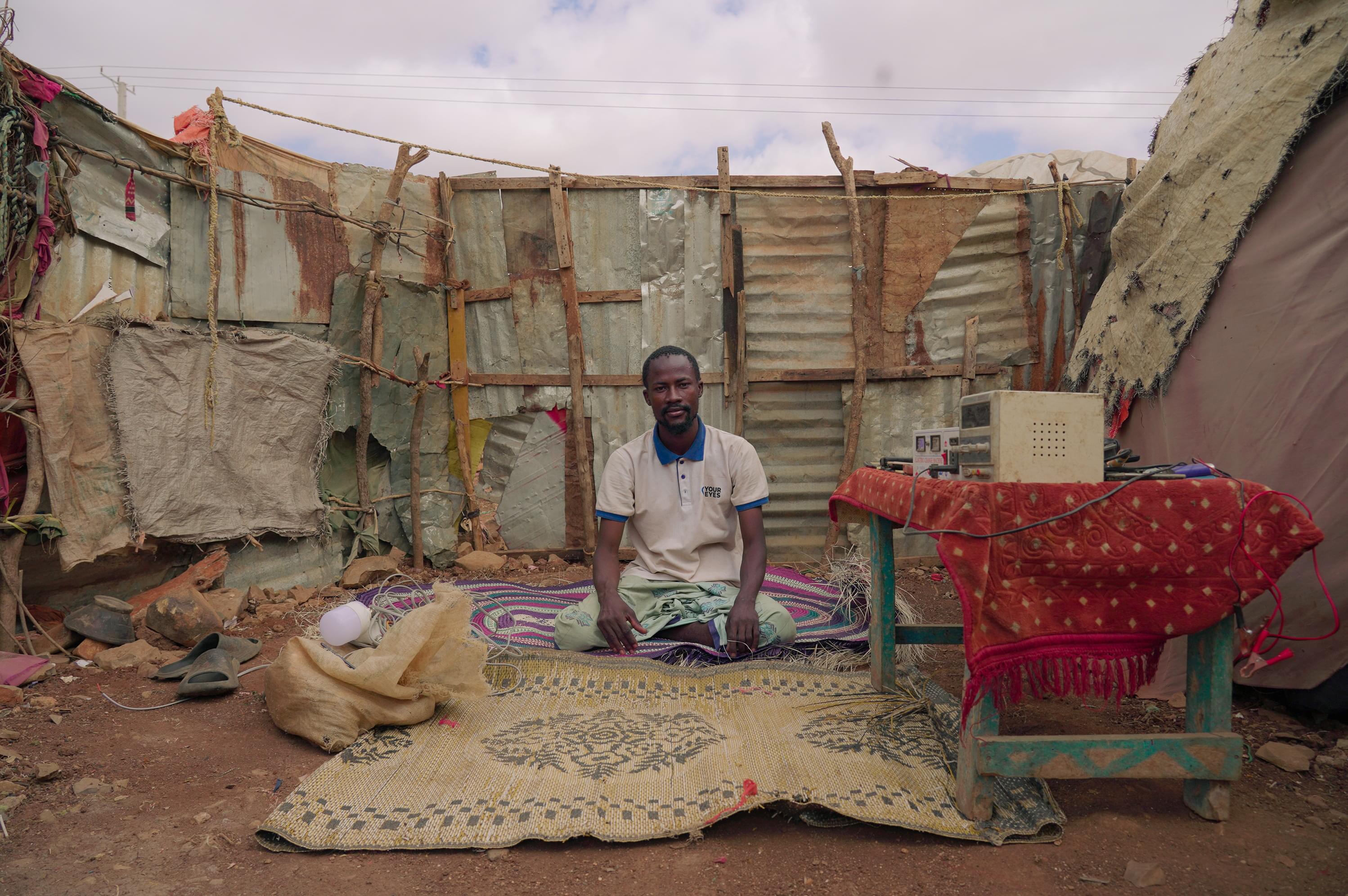
Mohamed Muqta
Muqtar Mohamed came to Baidoa in 2022 after drought and insecurity forced him to leave his home, settling with his family in Elalan camp.
Read the storySupport
Hunger in Somalia is rising rapidly and is hitting children and women the hardest. Without immediate support, families could soon face the worst consequences.
Our work is 100% voluntarily funded and every donation makes a difference. It only takes a minute to donate, but the impact can last a lifetime.
Please help the UN World Food Programme – the world's largest humanitarian agency – provide life-saving food to the most vulnerable families.