Ahmed Mohamed
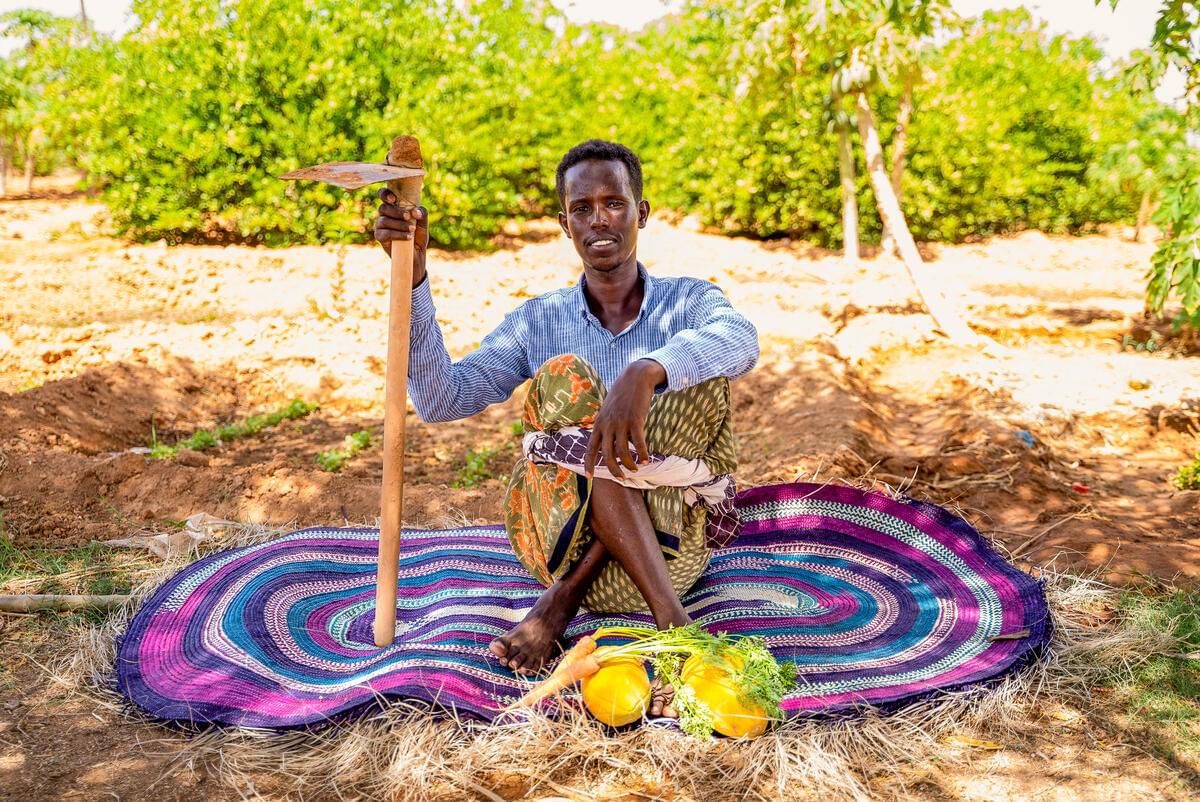
Ahmed Mohamed, a farmer and community leader, went from displacement to recovery and is now transitioning towards a more stable livelihood. Ahmed chose his wooden and metal plough as his symbol of hope, representing his shift from relying solely on livestock to building a more secure future.
By Sagal Abas Bafo
Photography by WFP/Arete/Ahmed Luzaco
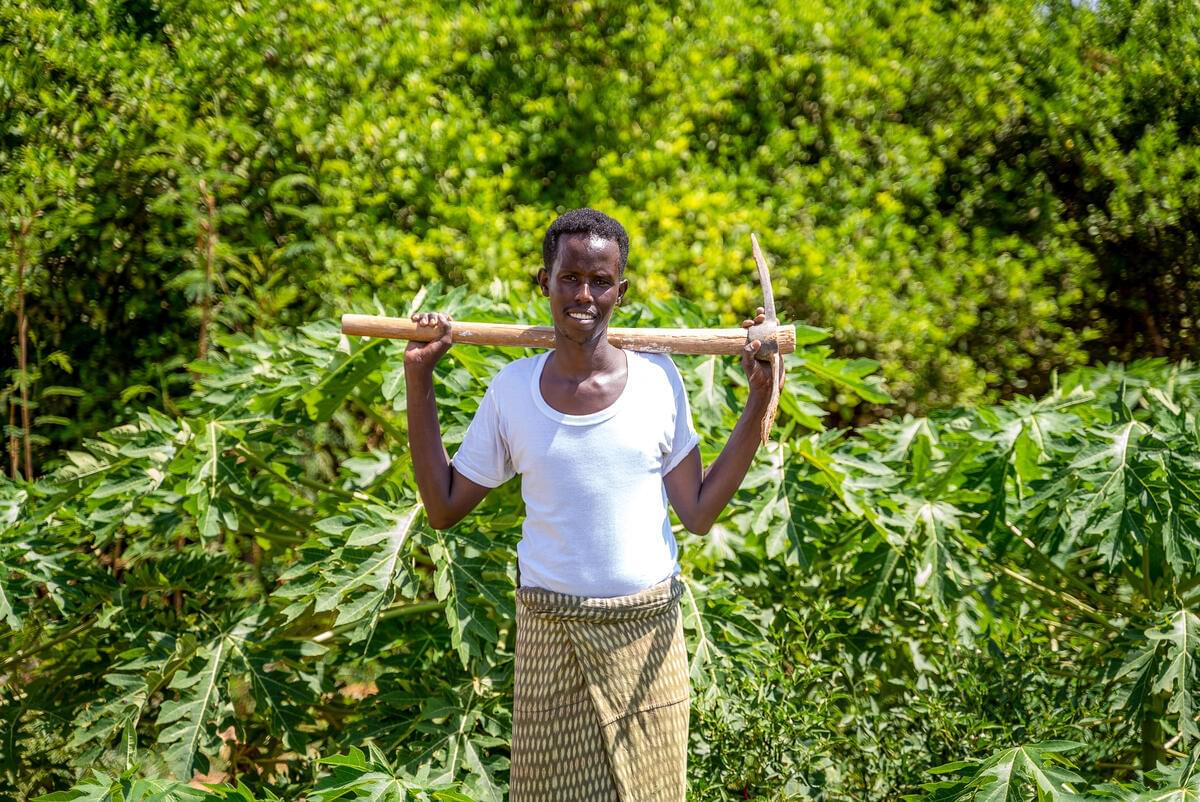
Ahmed Mohamed, is a 23 years old farmer, part of a pastoralist farming community that was forced to move due to severe drought.
"My community back then was simple nomad, relying on their livestock, but when the animals kept dying, they started to think about other ways to survive and that is when farming was introduced."
Over the last decades, Somalia's unpredictable climate has devastated traditional pastoralist livelihood. Changing rainfall and repeated dry seasons have made it harder for communities like Ahmed's to rely on a single way of living.
Ahmed, is part of Aneeska, a community supported by the World Food Programme, as part of an initiative that transitions people from the first steps of recovery to solidifying stronger food systems and assisting communities to diversify their livelihood.
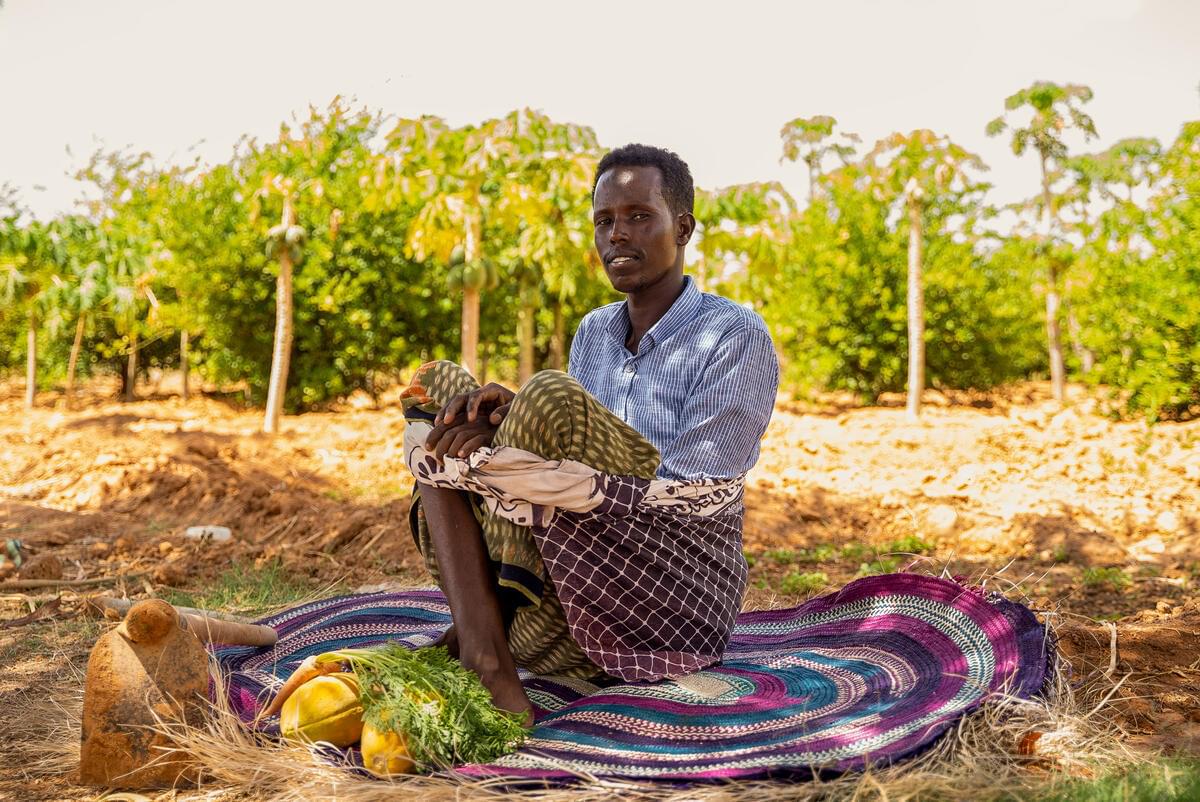
"Over time, my community has shown big progress. We have increased our farming skills, producing vegetables, fruits, allowing ourselves to feed our family, and sell in the market. By farming and maintaining our animals, we have been able to not only survive but to truly be independent and self-sufficient. Within our village, we have Mosques, schools, business, medical staff."
Photography by WFP/Arete/Ahmed Luzaco
Despite the unpredictable rains and repeated dry seasons that continue to strain Puntland, Ahmed's community looks to the future with resilience at its core.
"This land taught us resilience. Even in dry seasons, we hold onto hope. Allah has brought us this far and will take us further."
For Ahmed, hope is reflected in the wooden and metal plough he uses to work the land — a tool that symbolizes the community's transition from relying solely on livestock to building a more stable, diversified livelihood through farming.
Recovery programmes, like those that helped Ahmed's community rebuild after years of drought, have been essential in moving the community from emergency support toward real resilience and self-reliance. But with continued cuts to the World Food Programme, many of these gains are now at risk. Still, Somali remittances remain a powerful lifeline, that can continue supporting communities sustain their progress and plan for the future.
"As Ahmed explains, 'In education, the economy, farming, pastoralism, peace, and health, our goal is to double the accomplishments we already have. Inshallah, we will continue to succeed each year.'"
Photography by WFP/Arete/Ahmed Luzaco
Community facilitation and story development led by Sagal Abas Bafo
Discover the other stories
Boosteyo Mahamud Shire
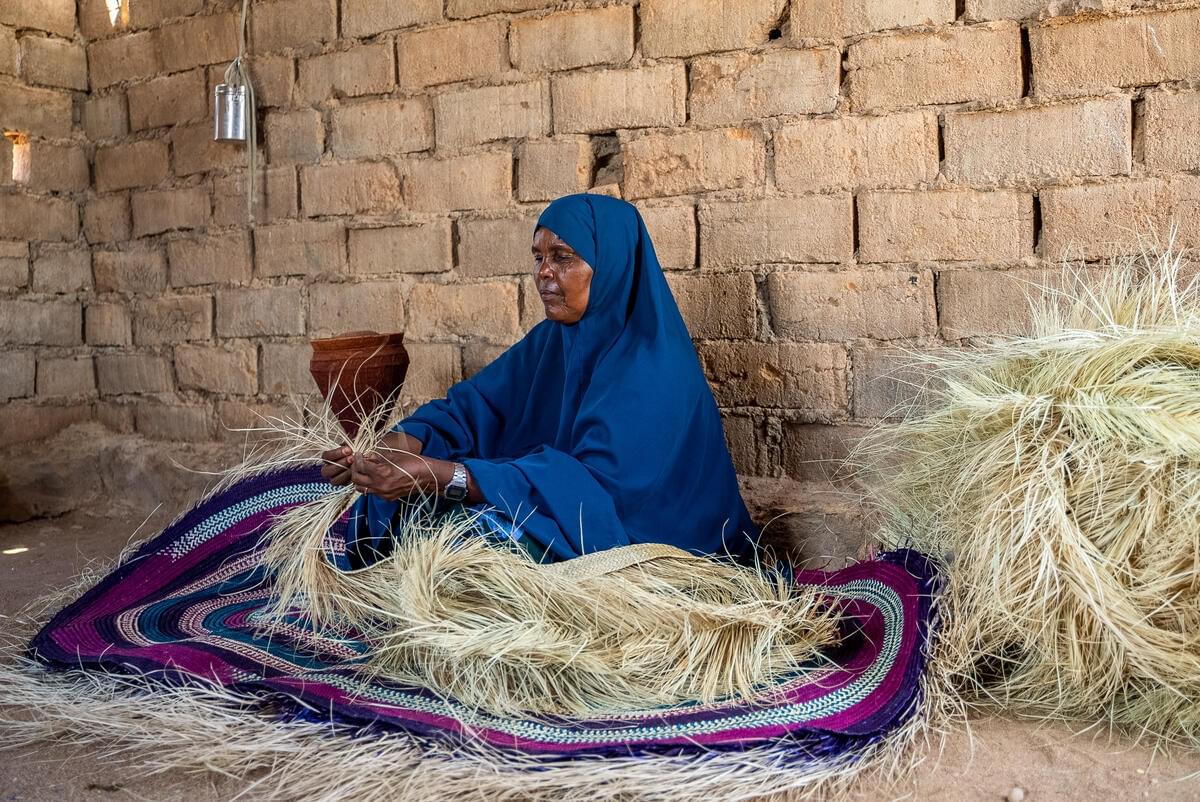
Boosteyo, a farmer, mother, and community leader, weaves a Somali mat to reflect the same care and connection she brings to holding her family and community together.
Read the story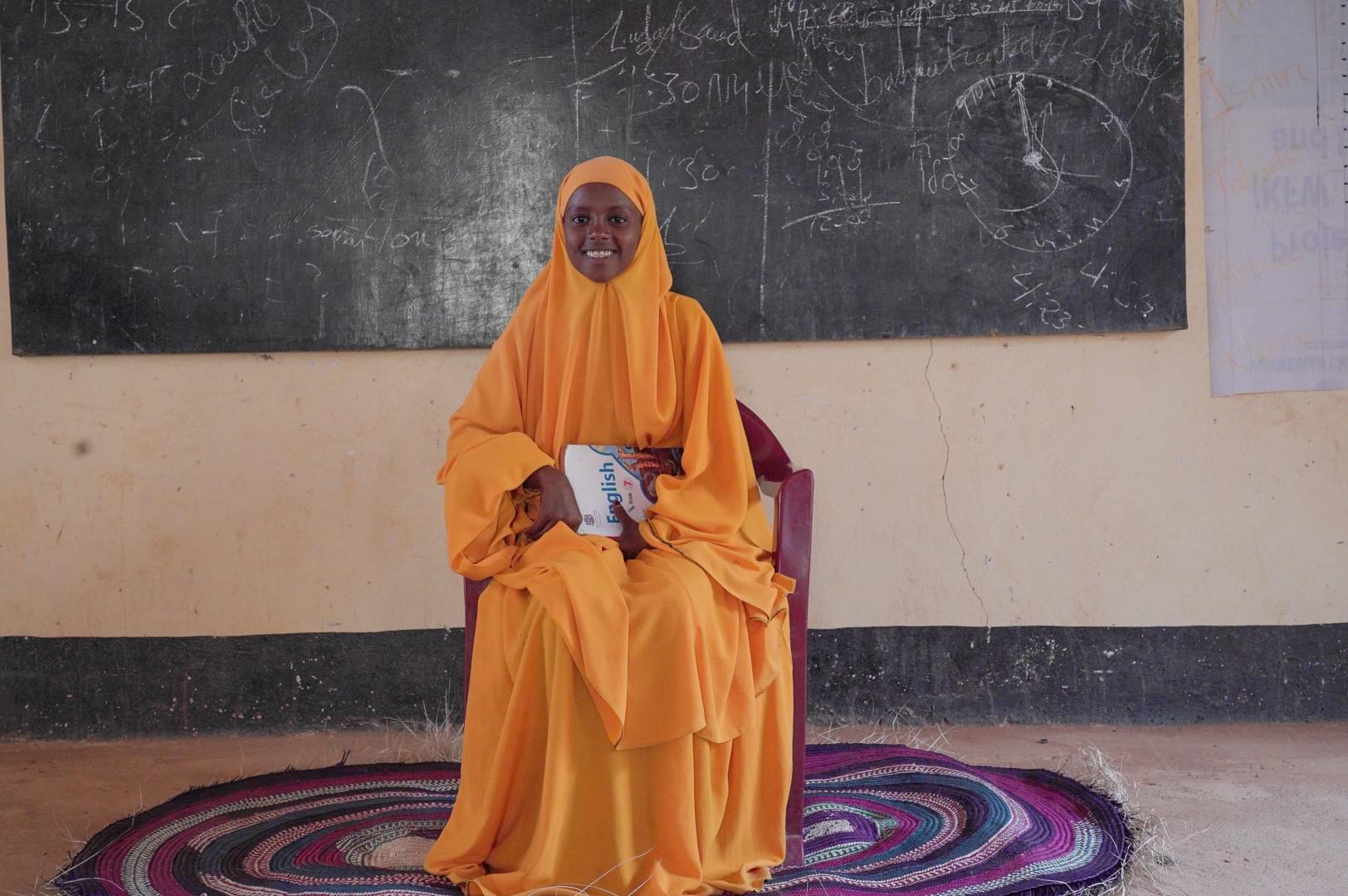
Sahro Deeq Shire
From a small classroom in Dolow to dreams of becoming a scientist, Sahro Deeq Shire, 17, is discovering how education, supported by food security, can shape not only her future but Somalia's future.
Read the story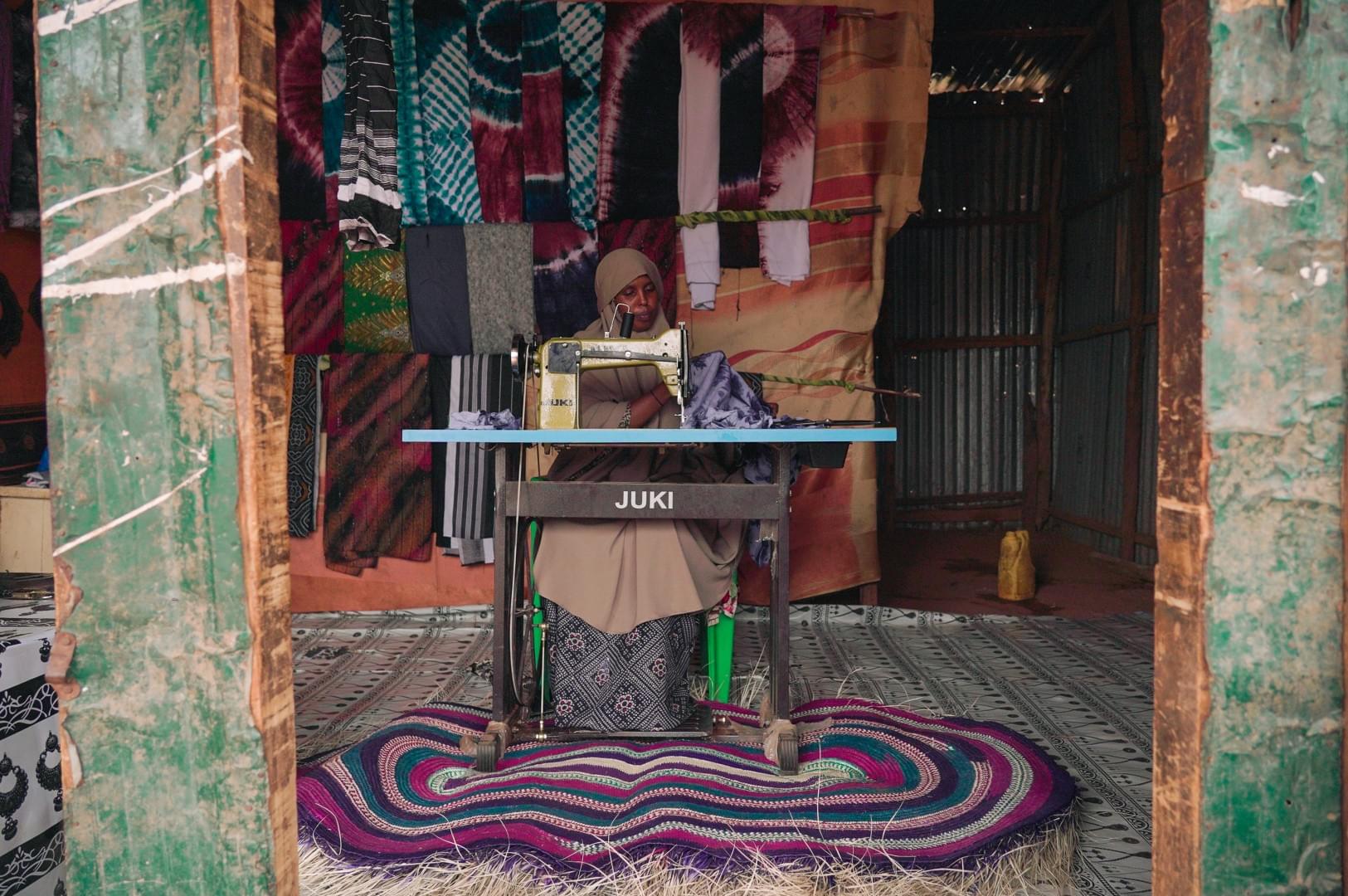
Diryara Osman
Diryara Osman, 34, a single mother displaced by conflict, is rebuilding her life, now running a small sewing business and working toward a more secure future for her children.
Read the story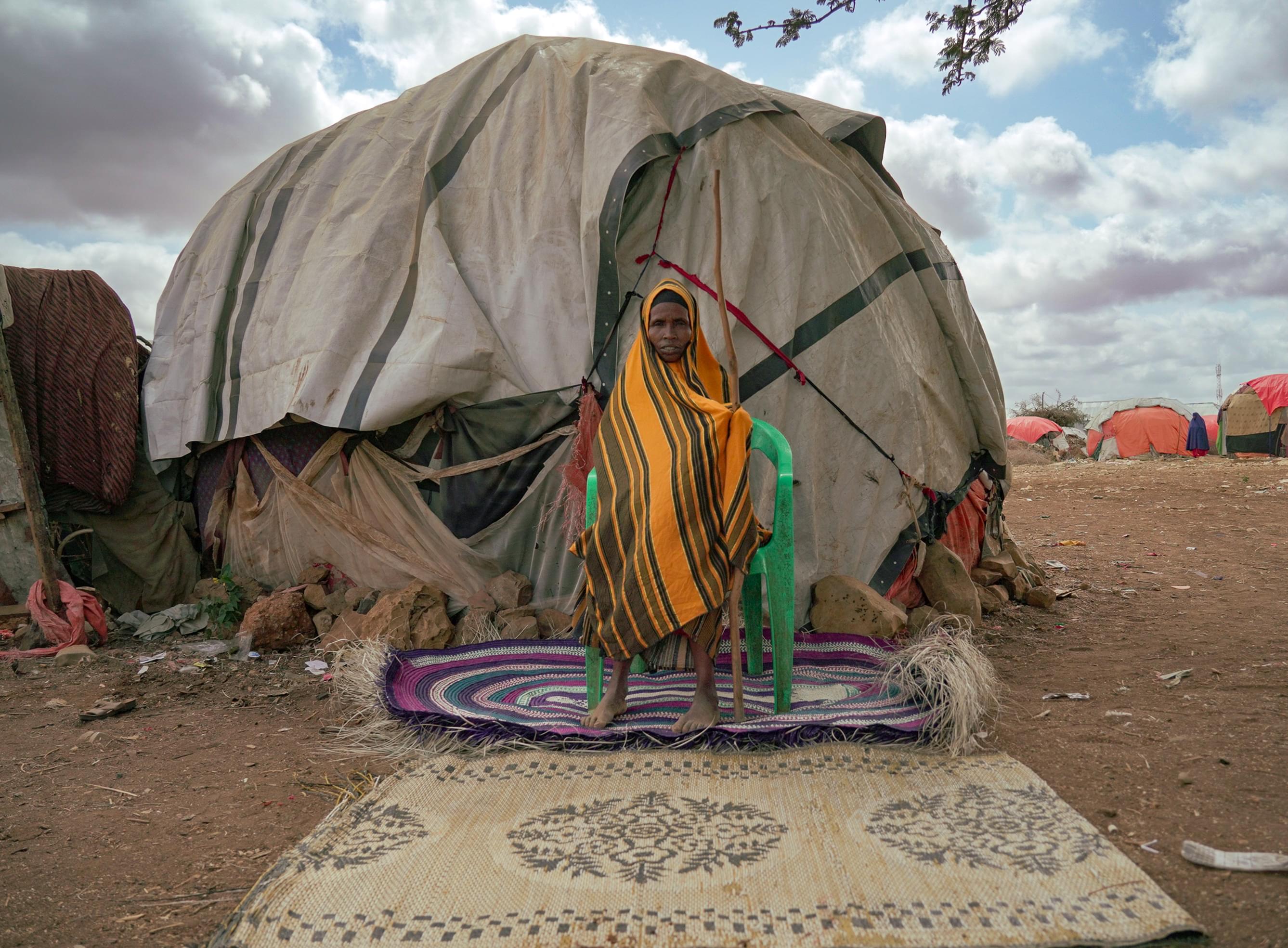
Abaay Mohamed Issack
From the fertile lands of Daweelow to a shelter in Baidoa, Abaay Mohamed Issack, 60, mother and grandmother, is on a quest to re-imagine what recovery looks like in her age.
Read the story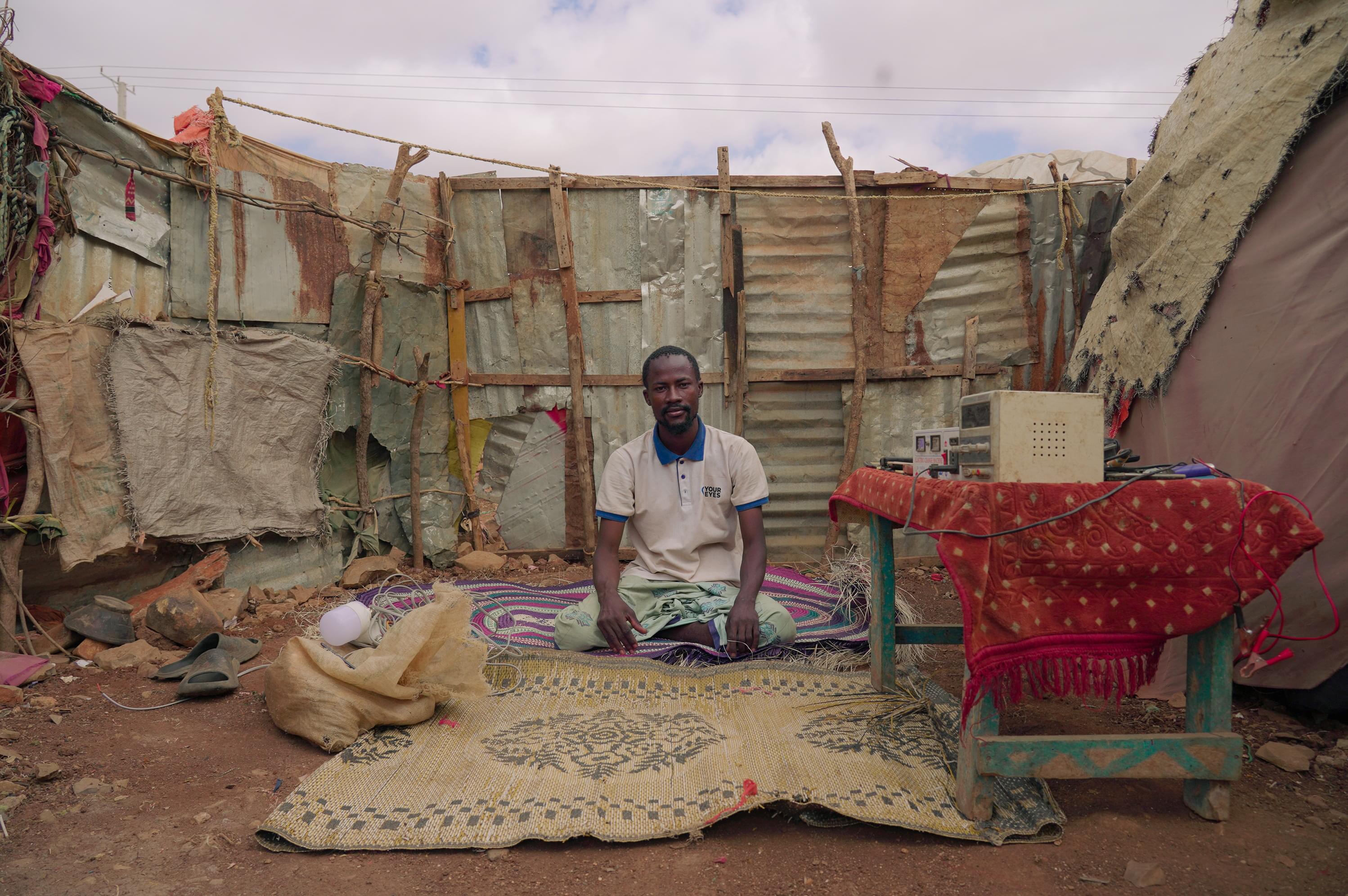
Mohamed Muqta
Muqtar Mohamed came to Baidoa in 2022 after drought and insecurity forced him to leave his home, settling with his family in Elalan camp.
Read the storySupport
Hunger in Somalia is rising rapidly and is hitting children and women the hardest. Without immediate support, families could soon face the worst consequences.
Our work is 100% voluntarily funded and every donation makes a difference. It only takes a minute to donate, but the impact can last a lifetime.
Please help the UN World Food Programme – the world's largest humanitarian agency – provide life-saving food to the most vulnerable families.