Addressing Malnutrition Through the Lens of Indigenous Foods
By: Iyaloo S. Mwatotele
Malnutrition, a condition where the body lacks essential nutrients, is a significant concern globally and in Namibia. It can manifest in various forms, including undernutrition, where individuals do not consume enough nutrients, or overnutrition, characterized by excessive intake of unhealthy foods. Both forms pose serious health risks, affecting physical growth, cognitive development, and overall vitality.
However, amidst this challenge, Namibia possesses a wealth of indigenous foods that are nutrient-dense and culturally significant and have been proven to be a valuable source of nutrition for communities in Namibia for generations. By incorporating these traditional foods into daily diets, individuals can improve their health outcomes and reduce the prevalence of malnutrition in the country.
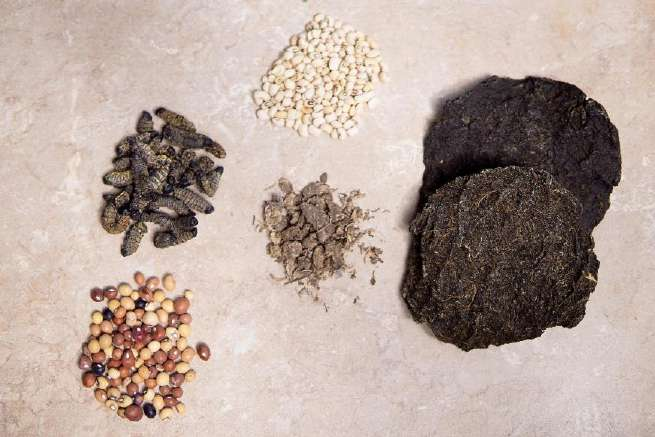
1. Mahangu (Pearl Millet):
Mahangu, a staple in Namibian cuisine, is not only delicious but also packed with nutrients. This ancient grain is rich in fiber, protein, and essential minerals like iron and magnesium. Its high fiber content promotes digestive health, while iron supports red blood cell production, combating anemia. Additionally, the complex carbohydrates in mahangu provide sustained energy, making it an ideal choice for maintaining blood sugar levels.
2. Ombidi (Wild Spinach):
Ombidi, also known as wild spinach, is a nutritional powerhouse bursting with vitamins and minerals. Rich in vitamins A, C, and K, this leafy green vegetable supports immune function, vision health, and bone density. Its high antioxidant content protects cells from damage caused by free radicals, reducing the risk of chronic diseases such as cancer and heart disease.
3. Oshuungu (Mopane Worms):
While it may surprise some, mopane worms, are a valuable source of protein, calcium, and iron. These edible caterpillars are particularly beneficial for individuals with limited access to animal protein, offering a sustainable alternative. Protein is essential for muscle repair and growth, while calcium strengthens bones and teeth. Additionally, iron supports oxygen transport in the blood, preventing fatigue and improving overall energy levels.
4. Oshuungu (Mopane Worms):
While it may surprise some, mopane worms, are a valuable source of protein, calcium, and iron. These edible caterpillars are particularly beneficial for individuals with limited access to animal protein, offering a sustainable alternative. Protein is essential for muscle repair and growth, while calcium strengthens bones and teeth. Additionally, iron supports oxygen transport in the blood, preventing fatigue and improving overall energy levels.
5. Bambara Nuts:
Bambara nuts, also locally known as Eefukwa, are a nutrient-dense legume indigenous to Namibia. This legume is a complete food because of its richness in nutritional properties such as fiber, iron, protein and essential minerals and vitamins. This nutrient-packed legume provides a sustained energy boost, support strong bones, and help maintain healthy blood by aiding in the production of red blood cells. Additionally, they promote sharp vision, bolster immunity, and contribute to glowing skin. Whether added to soups, stews, or enjoyed as roasted snacks, bambara groundnuts offer both flavor and nutrition to meals, making them a valuable addition to any diet
6. Cowpeas:
Cowpeas, commonly known as black-eyed peas, are a staple crop in Namibian agriculture. Rich in protein, fiber, and folate, cowpeas support muscle growth, digestive health, and fetal development during pregnancy. Their versatility makes them suitable for a variety of dishes, including salads, stews, and bean spreads, providing essential nutrients and culinary diversity
7. Baobab Fruit
The iconic baobab tree produces fruits rich in vitamin C, fiber, and antioxidants. Baobab fruits support immune function, digestive health, and skin vitality. Their tangy flavor makes them a refreshing addition to beverages, smoothies, and desserts, enhancing both taste and nutrition.
8. Marula Fruit:
Marula, often referred to as the "elephant tree" due to its importance to wildlife, produces fruits that are not only cherished by animals but also valued for their nutritional benefits by humans. Marula fruits are rich in vitamin C, vitamin E, antioxidants, and essential fatty acids. These nutrients contribute to skin health, immune function, and cardiovascular health. The oil extracted from marula seeds is a popular ingredient in skincare products due to its moisturizing and anti-aging properties. In the Namibian context, the kernels from the Marula tree are rich in oil and protein and are eaten as a snack, and made into a cooking and condiment oil, locally known as Ondjove in the North Central Regions.
9. Ximenia:
Ximenia, also known as the wild plum or sour plum, is a small fruit native to Namibia. Despite its modest size, Ximenia packs a powerful nutritional punch. It is rich in vitamin C, vitamin E, antioxidants, and dietary fiber. These nutrients support immune function, promote skin health, and aid in digestion.
In addition to these traditional foods, there are also other indigenous foods in Namibia that can help address malnutrition and promote overall well-being. From nutrient-rich tubers like wild potatoes and the !Nara melon to the nutritional powerhouse moringa, the diversity of Namibian indigenous foods offers a wealth of nutritional benefits waiting to be explored.
Therefore, as we strive to combat malnutrition and build resilient communities, let us recognize the invaluable role that indigenous foods play in achieving these goals. By incorporating these nutrient-rich ingredients into our meals, supporting local farmers and food producers, and promoting sustainable food systems, we can create a healthier and more vibrant future for all Namibians.
The Paradox of the Double Burden of Malnutrition – Undernutrition and Overweight
Ru-Anne Diergaardt rgd.dietician@gmail.com
BSc Dietetics (UWC)
Dietician (Windhoek Central Hospital)
Ministry of Health and Social Services
According to the World Food Programme (WFP), malnutrition is “a state in which the physical function of an individual is impaired to the point where he or she can no longer maintain adequate bodily performance process such as growth, pregnancy, lactation, physical work and resisting and recovering from disease”. Malnutrition has long been a major public health concern, but a new and complex challenge has surfaced — the double burden of malnutrition. Generally, malnutrition is mostly associated with undernutrition, where individuals lacked essential nutrients, leading to stunted growth and other health issues. However, in recent years, a change has occurred, and many countries now face the twofold challenge of dealing with both undernutrition and overnutrition.
The double burden of malnutrition signifies the coexistence of undernutrition (such as stunting, wasting, and micronutrient deficiencies) alongside overnutrition issues, such as obesity and diet-related non-communicable diseases (NCDs). The NCDs include diseases like diabetes mellitus, heart diseases, stroke and certain cancers which are noninfectious and is often of long duration. This occurs particularly in low- and middle-income countries going through rapid urbanization and dietary changes.
Undernutrition remains a continued problem, affecting millions of people, especially children, in various parts of the world. Lack of nutrition knowledge as well as access to nutritious food, inadequate healthcare, and poor sanitation contribute to stunting and wasting, affecting physical and intellectual development. At the same time, the rise of overnutrition is driven by changing lifestyles, increased intake of processed foods, and inactive habits.
One of the major contributors to the double burden is the nutrition transition. As economies grow together with the increased proportion of people moving from rural to urban areas, dietary patterns often shift from traditional, locally sourced diets to more processed and energy-dense foods. This shift is accompanied by a decrease in physical activity, leading to an increased incidence of overweight and obesity.
The consequences of the double burden are intense, affecting individuals, communities, and entire healthcare systems. Children facing undernutrition are at risk of developmental delays, weakened immune systems, and increased susceptibility to infections. On the other hand, adults facing overnutrition-related issues are more prone to chronic diseases such as diabetes, cardiovascular diseases, and certain cancers
Addressing the double burden of malnutrition requires a comprehensive and integrated approach. Efforts must focus on promoting diverse and nutritious diets, improving access to clean water and sanitation, enhancing healthcare structure, and educating communities about healthy lifestyle choices. Governments, non-governmental organizations, and the private sector all play crucial roles in developing and implementing effective strategies.
In conclusion, the double burden of malnutrition sets a multi-layered challenge to global health. The coexistence of undernutrition and overnutrition is a complex issue that requires directed efforts from various stakeholders. As the world continues to cope with this evolving health crisis, prioritizing nutrition-sensitive policies and interventions is essential to ensure a healthier future for generations to come.