Discover how the inhabitants of the Bolivian Amazon choose to eat superfruits from the forest instead of imported products, with nutritional improvements of up to 380%.
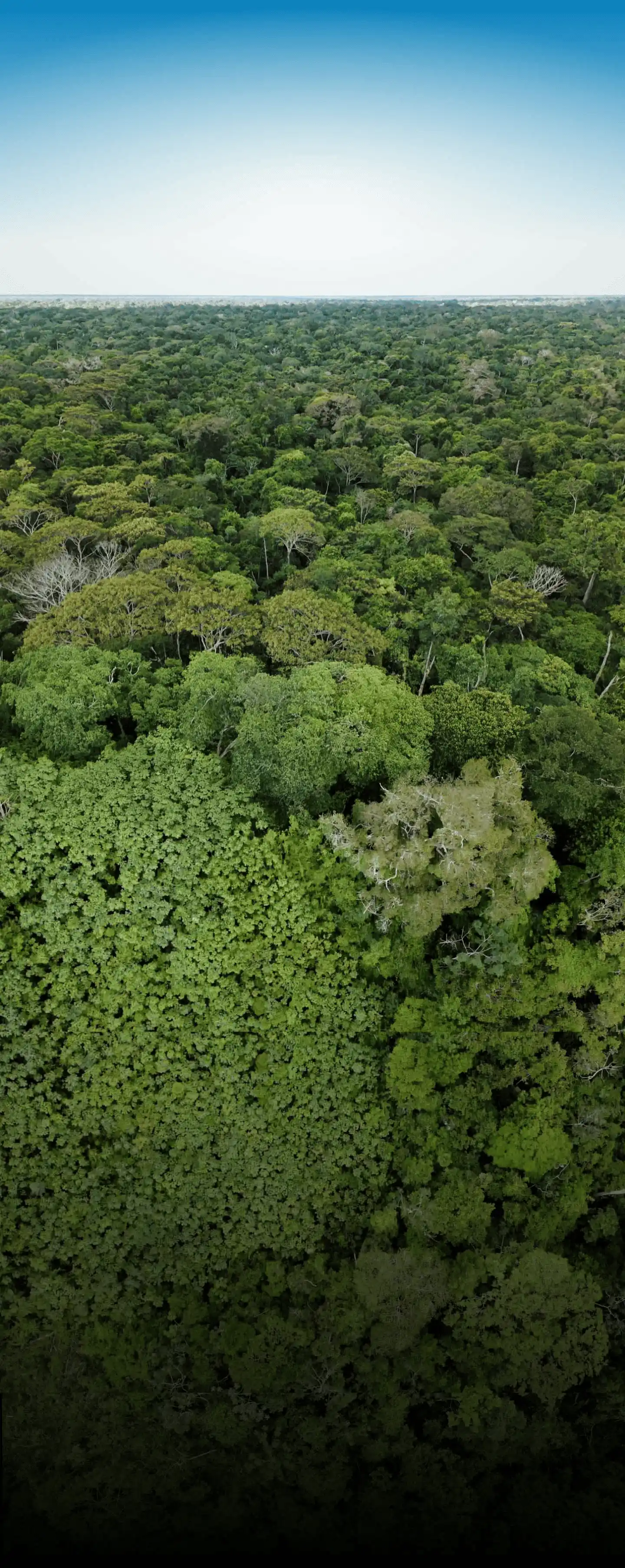
Have you ever, when looking at the forest, felt something pulling you toward it?
It wants to embrace you with its moss and vines, wrap you in its green, and humid fragrance.
Lull you with the hum of insects and the song of birds.
It is Mother Amazonia reminding you that you are part of a world beyond screens and concrete, that you too are organic matter.
It brings you back to reality.
Pando, the heart of the Bolivian Amazon
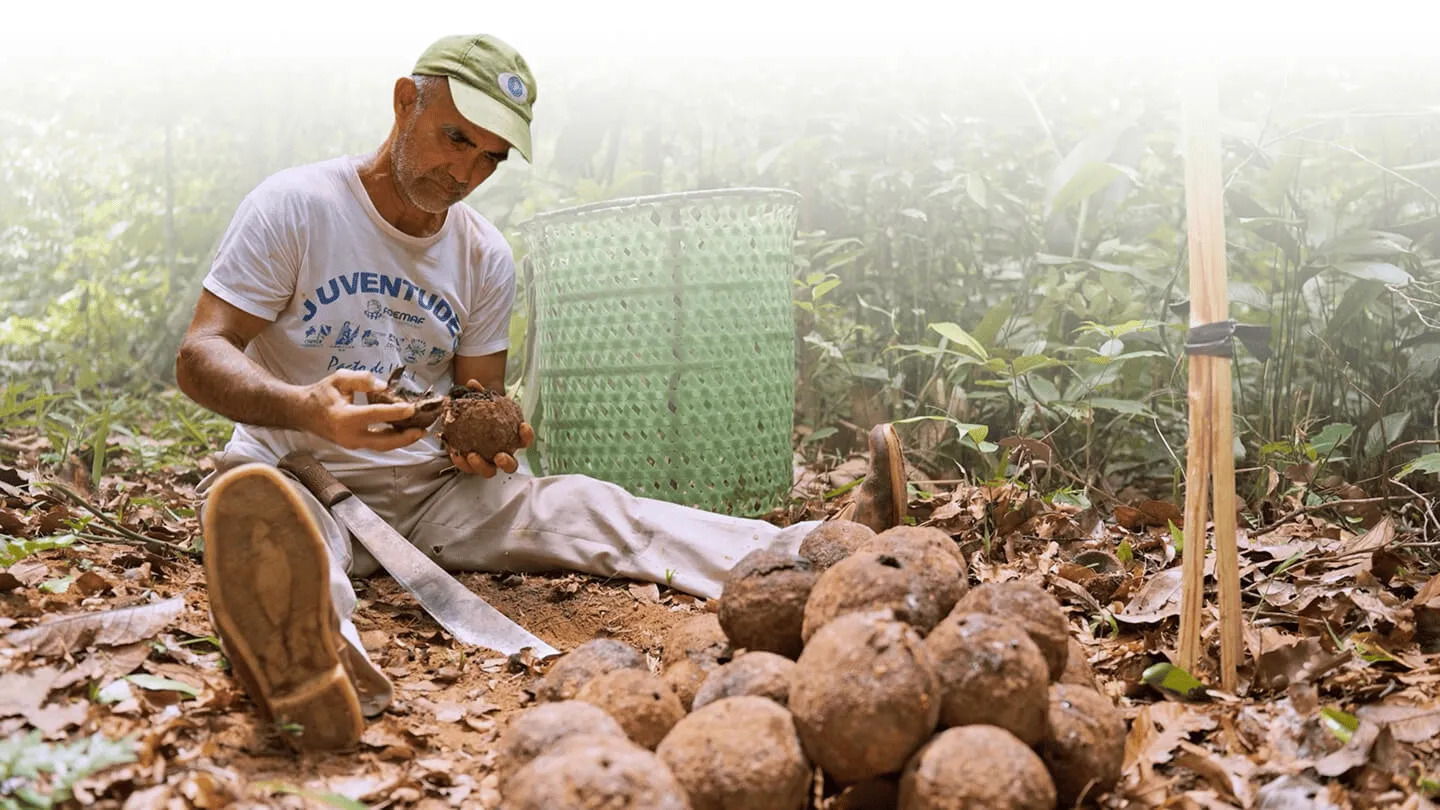
Life thrives in Pando: fruits such as Amazonian nuts, açaí, copoazú, and royal palm feed families and sustain the local economy, in harmony with nature. These superfruits are the heart of aresilient, inclusive, and enduring food system — rooted in community knowledge and biodiversity.
Meet the voices of Pando, who protect the forest and its superfruits.
"By consuming these products from the Amazon, we are also conserving our forests that guarantee our daily lives. This means income and economic stability for each family, as well as improving the health of our children and everyone who consumes these products."
"Because we do conservation work. We work to maintain the balance of these forests. When we go out to harvest, we don't cut the trees down, we don't deforest them. But we're running the risk that at any moment, because of unscrupulous activities, a fire could break out."
"The Amazon is life. It is where we live; it is that connection. Well, the truth is that it is everything, isn't it? Because the Amazon connects you to the air, the water, the jungle, the forest, the fruit, and the animals."
"The Amazon alone does not destroy itself. No, it regenerates and recovers if we leave it untouched. But because we are interfering, and some of us are doing so irresponsibly, we are gradually destroying this ecosystem that is so important for life."
SUPERFRUITS. CONSERVATION. SUSTAINABILITY.
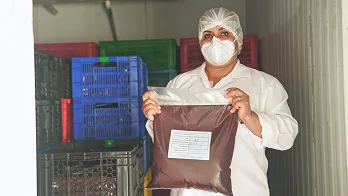
Harvesting and gathering the fruits is done without destroying the forest. They are wild species or cultivated respecting natural cycles. Today, açaí is Pando's second-largest economy, after amazonian nuts.
Superfruits
A diet up to 380% more nutritious
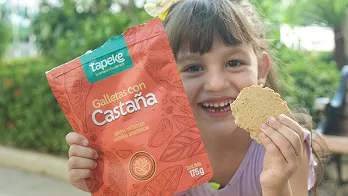
Food systems based on Amazonian fruits not only help conserve the forest but revolve around highly nutritious foods. In the city of Cobija, department of Pando, schools replace conventional products from outside with local ingredients.
The result? A diet with better nutritional values and greater cultural relevance.
Discover the impact of replacing 10% of ingredients with local superfruits, by purchasing tons of amazonian food.
AÇAÍ PULP instead of apple concentrate
100 t
0100
+380%protein contribution per serving
14local families engaged
41local jobs created
$ 88,200gross annual income ($6,300 per family)
-9.6%in carbon footprint
AMAZONIAN NUT FLOUR instead of oat flour
100 t
0100
+17%protein contribution per serving
62local families engaged
65local jobs created
$ 372,000gross annual income ($6,000 per family)
-9.7%in carbon footprint
Amazonian foods provide +380% more protein and can improve school nutrition in a sustainable and culturally relevant way.
Amazonian flavors—their textures, colors, and aromas—are infiltrating kitchens across the country. Increasingly visible in restaurants, ice cream shops, school lunches, and family tables, they improve nutrition, strengthen the economy, and promote Bolivia's food heritage.
But the beauty of the Amazon is fragile
In 2024, the drought fueled unprecedented fires that devastated the forest, endangered entire communities, and destroyed wildlife. What did not burn in 50 years, burned in two—2023 and 2024.
"What hasn't burned in 50 years has burned in just 2 years, in 2023 and 2024, and that will cause immeasurable catastrophes."
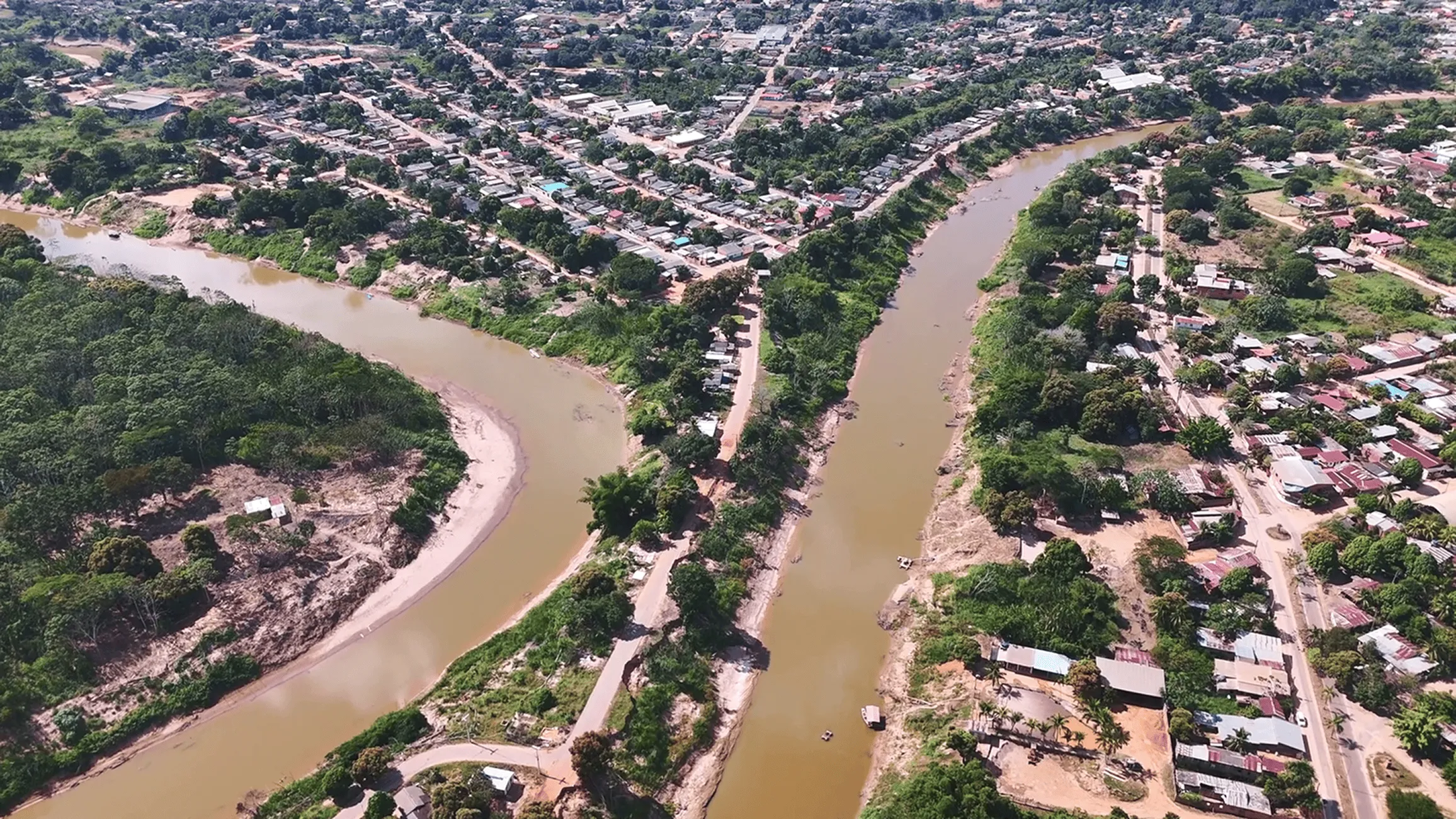
In 2024, the waters of the Acre River overflowed in Cobija. In one of the worst floods the city has experienced, more than 3,600 people saw their homes, livelihoods, and access to basic services affected. The situation highlighted the territory's vulnerability to extreme climate events and the need to strengthen local capacities for prevention, response, and recovery.
"You feel so powerless seeing your river rising, the houses filling up, and families in despair. I have goosebumps right now as I speak about this situation, which has been very hard."
Nothing is lost, everything is transformed
WFP drives comprehensive solutions
Economic
Microcredits for Amazonian women entrepreneurs
WFP promotes the economic autonomy of Amazonian women through financial education and banking inclusion, facilitating sustainable microcredits that strengthen their businesses and local development.
Nutrition
Promotion of Amazonian fruits and food inclusion
WFP encourages the consumption of Amazonian fruits for a nutritious and culturally relevant diet, strengthening food security and their inclusion in regional markets.
Environmental
Sustainable use of açaí waste
With WFP support, an innovative project converts 80% of açaí into charcoal, generating clean energy for the plant and the community.
Financial protection against disasters
Municipal index insurance for vulnerable communities
WFP created a municipal parametric insurance and seeks to expand it to 70 Amazonian cities, offering financial protection against natural disasters.
Frequently asked questions
What is Madre Amazonía?
Madre Amazonía is an interactive story from the World Food Programme's FoodPrints series. It travels to Pando, in the Bolivian Amazon, to show how communities turn forest superfruits into income and nutrition while keeping the forest standing.
What are the Amazonian superfruits?
Amazonian nut, açaí, copoazú, Amazonian cacao and royal palm. They grow wild or in agroforestry systems and are harvested without felling trees — açaí is now Pando's second-largest economy, after Amazonian nuts.
How much more nutritious is a diet based on Amazonian foods?
Amazonian foods provide up to 380% more protein. In schools in Cobija, replacing conventional products from outside with local ingredients produces a diet with better nutritional values and greater cultural relevance — replacing açaí pulp for apple concentrate raises the protein contribution per serving by 380%, and Amazonian nut flour for oat flour by 17%.
What threatens the Amazon and its communities?
Extreme climate events. In 2024 drought fuelled unprecedented fires — what had not burned in 50 years burned in two, 2023 and 2024 — and the Acre River overflowed in Cobija in one of the worst floods the city has experienced, affecting more than 3,600 people's homes, livelihoods and access to basic services.
What is WFP doing in the Bolivian Amazon?
WFP drives comprehensive solutions: sustainable microcredits and financial education for Amazonian women entrepreneurs, promotion of Amazonian fruits for nutritious and culturally relevant diets, an innovation project that converts 80% of açaí waste into charcoal for clean energy, and a municipal parametric insurance it seeks to expand to 70 Amazonian cities.
How can I help?
Choose Amazonian products where you can, share the voices of Pando, and donate to WFP to support the communities who care for the forest and the food systems that depend on it.
The Amazon has the power to regenerate, let's choose to protect the forest and its caretakers so it continues to exist tomorrow.
We use analytics cookies to understand how this page is used. You can accept or decline.