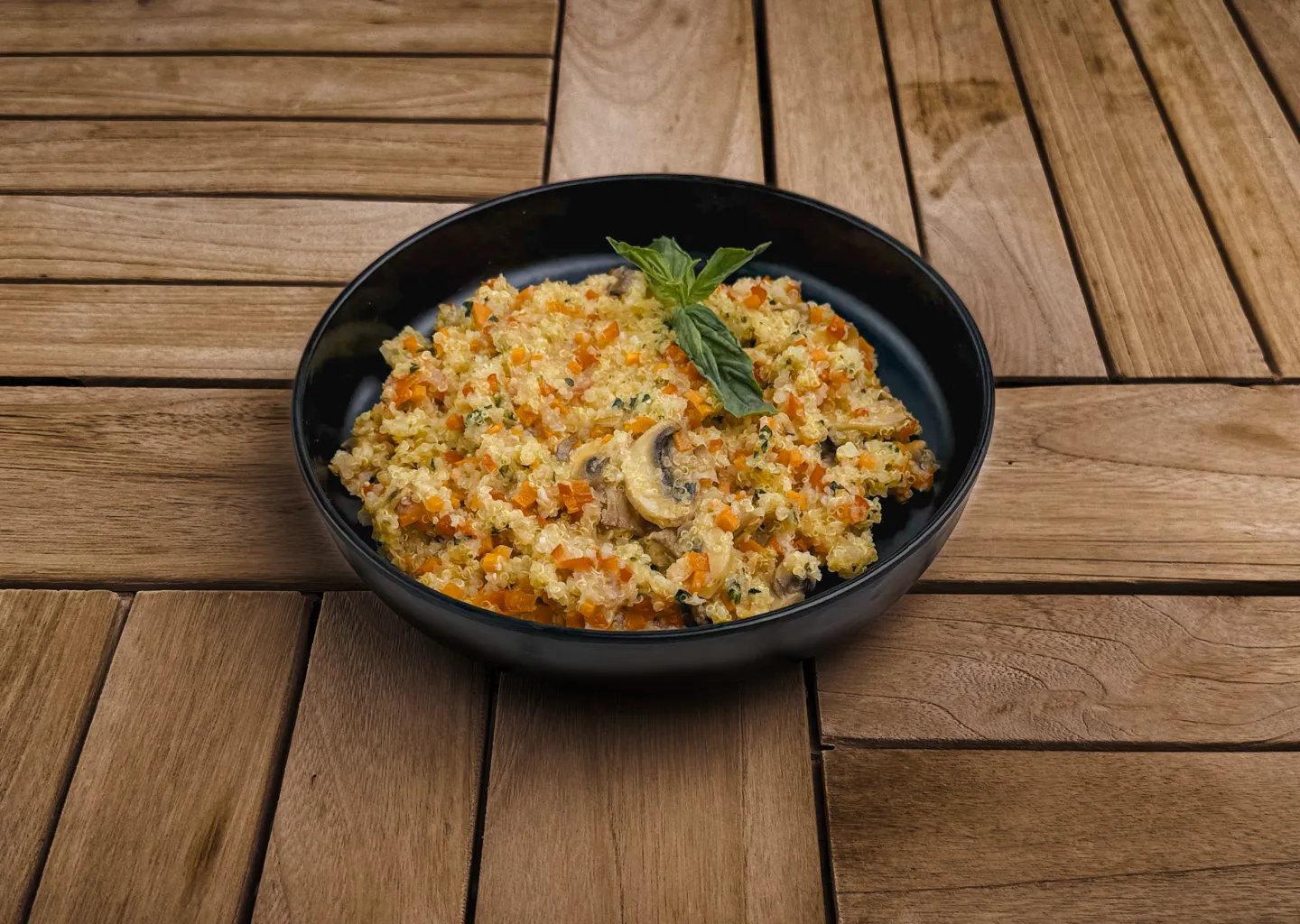
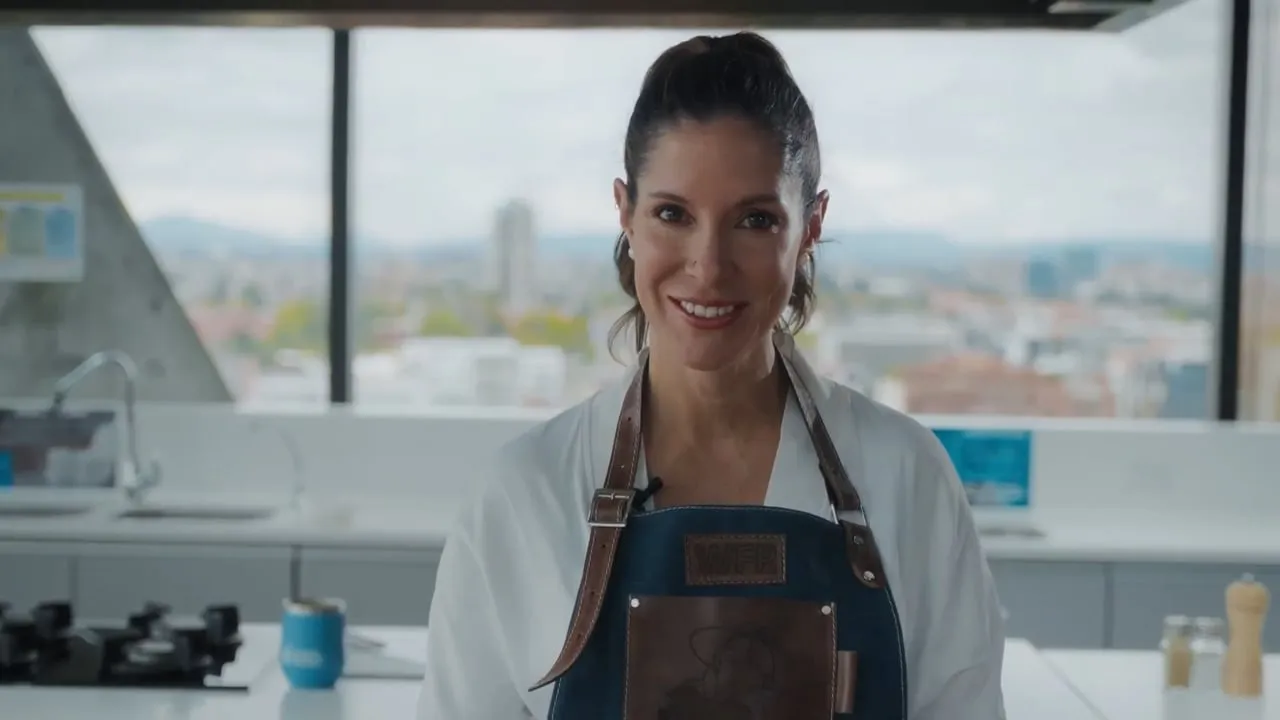
Cooking with Hope with Chef Carolina Sánchez
Investing in nutrition is
investing in the future
Discover the importance of vegetables in nutrition through 2 nutritious recipes with our High-Level Supporter.
Carolina Sánchez, a renowned chef from Cuenca and the first Ecuadorian to earn a Michelin star, champions the fight against global hunger.
The first 1,000 days, from pregnancy to 2 years of age, are a unique window of opportunity.

Good nutrition during this period
can change their future.
-
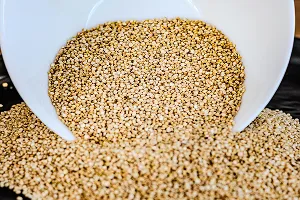
Quinoa
Proteins for growth during the first 1,000 days.
-
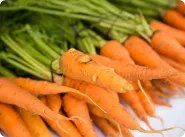
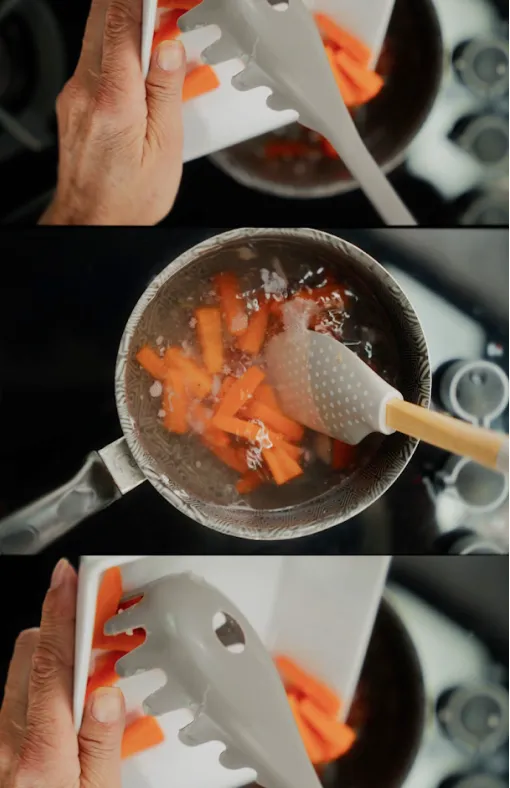
Carrot
Vitamin A for vision and cognitive development.
-
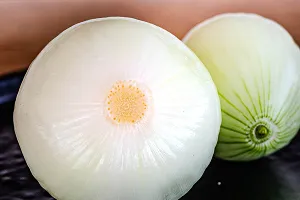
Onion
Antioxidants for better defenses.
-
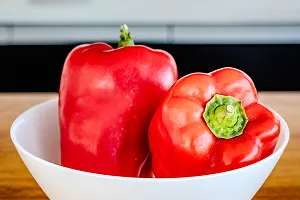
Red bell pepper
Cellular development and tissue formation.
-
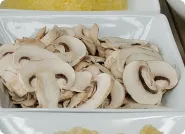
Mushroom
Strengthens bones and regulates the immune system.
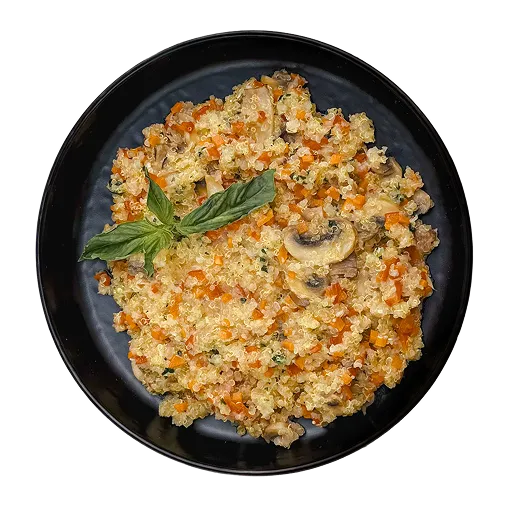
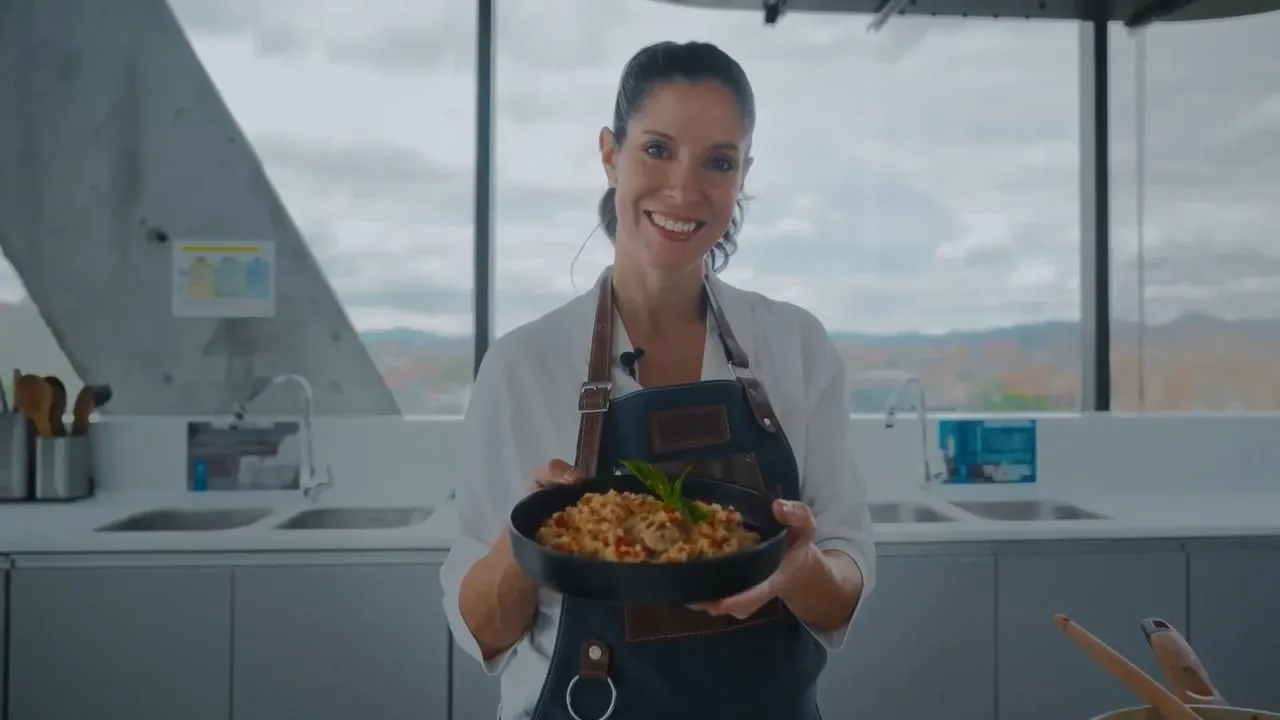
“School meals are an investment in our country's future. Taking pride in our cooking also means valuing and incorporating our own foods as a driver of development and a more sustainable food future.” - Chef Carolina Sánchez

School meals don't just fill plates:
they fill classrooms, boost learning, and strengthen economies.
For every US$1 invested, between 7 and 35 dollars
in benefits are generated, transforming lives and communities.
Support nutrition and
try more ingredients
WFP's vision is for every child to receive a healthy meal at school by 2030. That is why WFP continues to drive greater investment in school meals as a pillar of social protection, education, and food systems transformation.
Frequently asked questions
What is Cooking with Hope?
Cooking with Hope is an interactive story from the World Food Programme's FoodPrints series. Chef Carolina Sánchez — a renowned chef from Cuenca, the first Ecuadorian to earn a Michelin star, and a WFP High-Level Supporter — cooks two nutritious recipes that show why good nutrition matters most in a child's earliest years.
Why are the first 1,000 days so important?
The first 1,000 days, from pregnancy to two years of age, are a unique window of opportunity: good nutrition during this period can change a child's future. Improved health supports better educational outcomes and increased economic growth — good nutrition within the first 1,000 days of life can correlate with up to 3% growth in national GDP.
Which recipes does Chef Carolina Sánchez prepare?
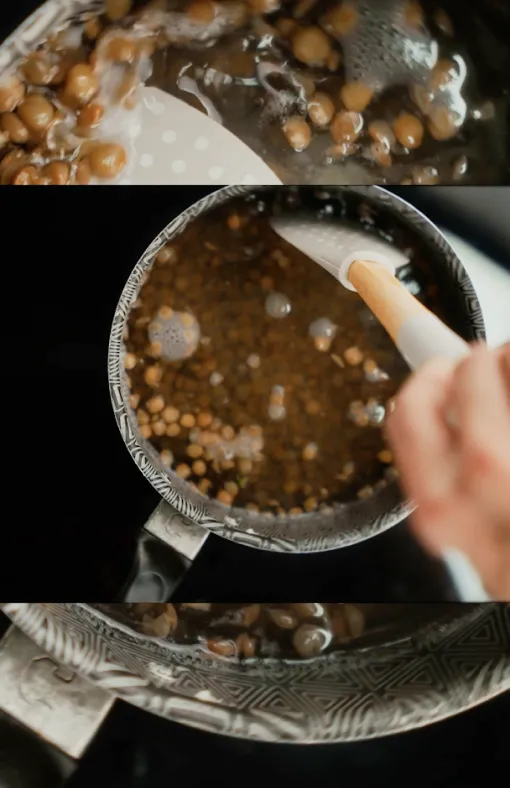
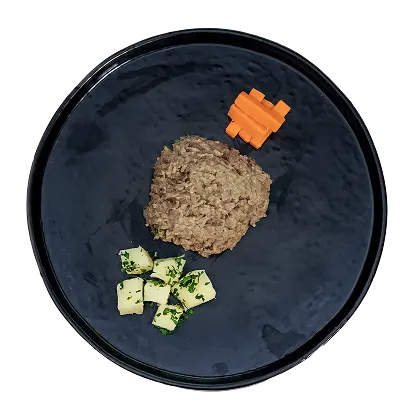
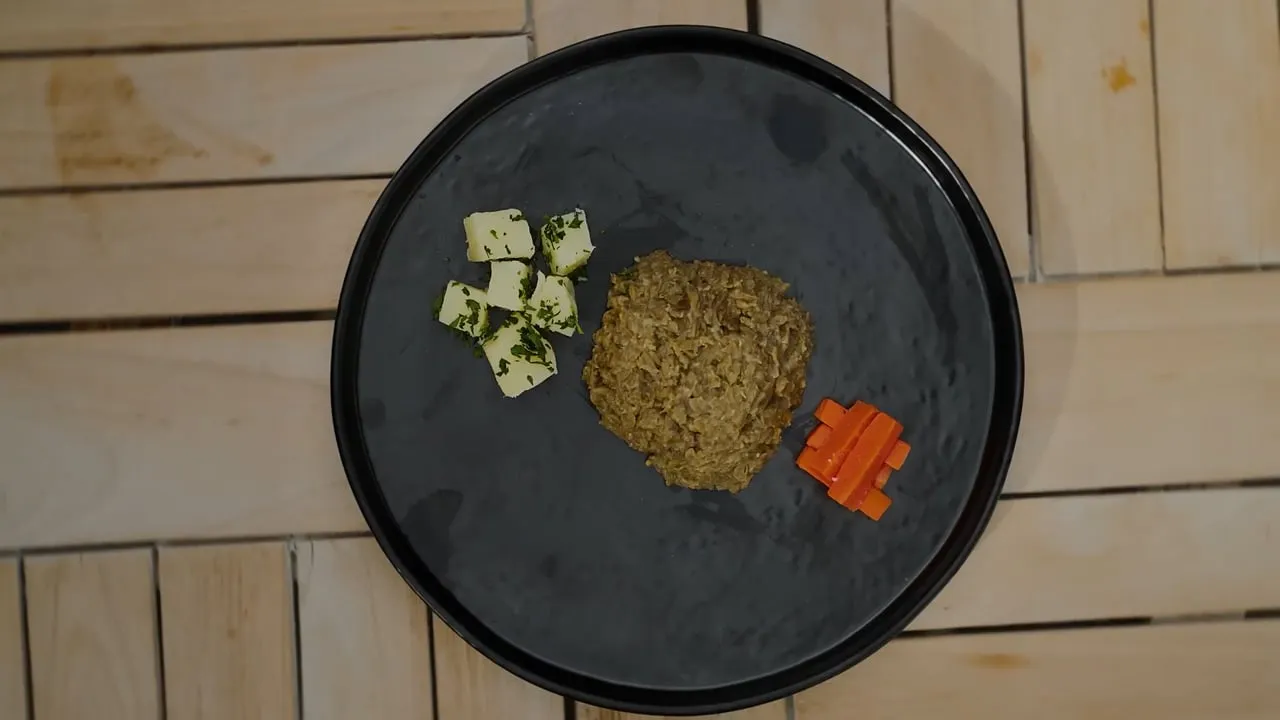
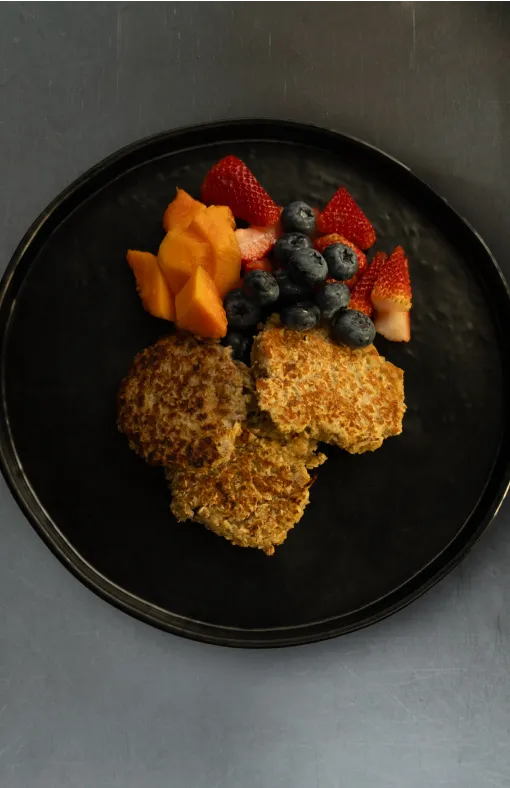
Two. A quinoa dish ideal for expectant mothers, rich in high-quality protein, iron, calcium, folic acid, fibre and vitamins A, C and B complex; and a lentil, potato and carrot puree for children under two — lentils for protein and iron, potato for natural energy, carrot for vitamin A.
Why does WFP invest in school meals?
School meals don't just fill plates: they fill classrooms, boost learning and strengthen economies. For every US$ 1 invested, between 7 and 35 dollars in benefits are generated. WFP's vision is for every child to receive a healthy meal at school by 2030, with school meals as a pillar of social protection, education and food systems transformation.
How can I help?
Cook the recipes at home, choose nutritious local ingredients for your family, share the story, and donate to WFP to support nutrition and school meal programmes in Latin America and the Caribbean.